Upgrade Your Celebration: Exceptional Catering Services for Any Event
Transforming an event through catering requires close attention of several elements. The choice of catering style can significantly impact the whole experience. Trends such as interactive food stations and eco-friendly components are growing in demand. Moreover, accommodating dietary requirements and staying within budget are important. Recognizing these aspects can transform an average gathering into an unforgettable experience. That said, choosing the ideal approach and service is fundamental for achieving the intended outcome. How should one proceed from this point?
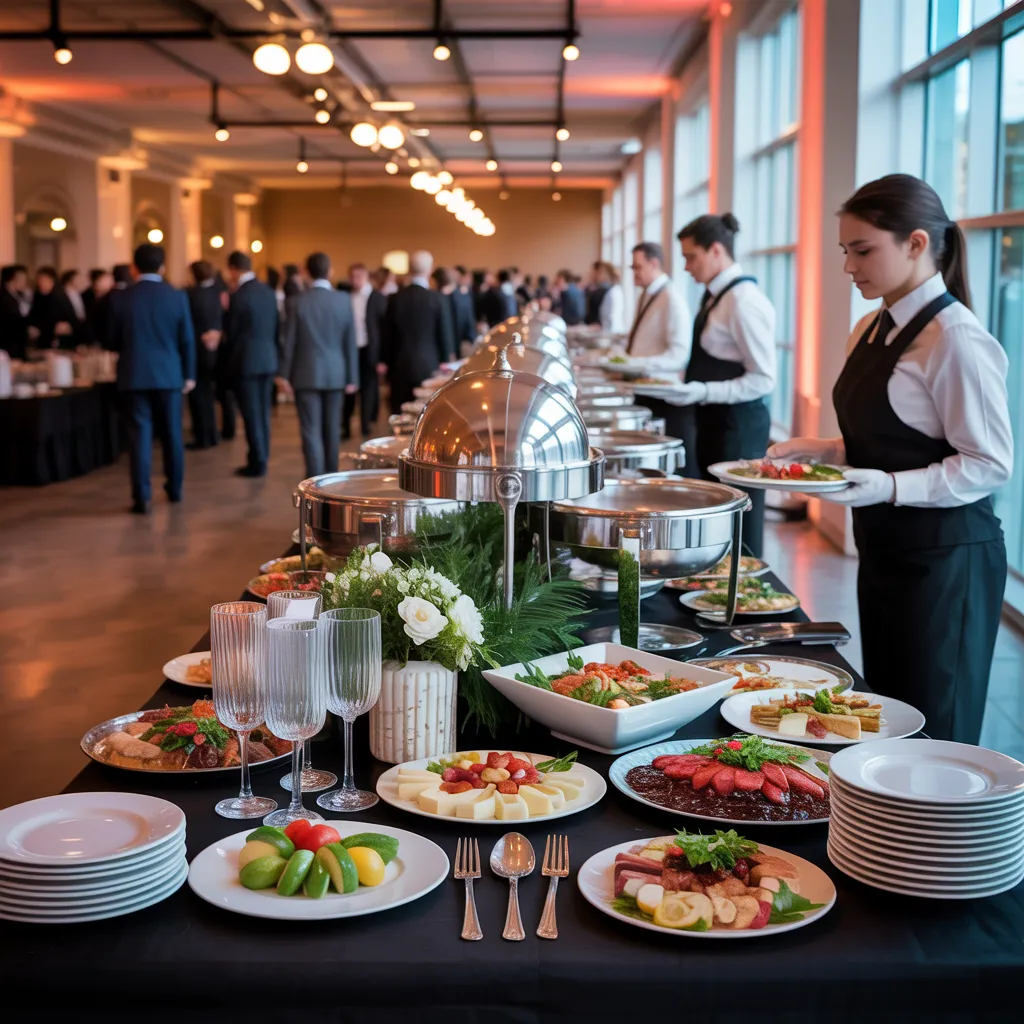
How to Select the Ideal Catering Style for Your Event
When coordinating an event, how does one determine the ideal catering style? The selection copyrights on a number of considerations, including the nature of the event, guest count, and venue. Formal gatherings, such as weddings or business events, often benefit from plated service, which offers an elegant dining experience. On the other hand, casual events like birthday parties tend to favor family-style or buffet catering, encouraging mingling and interaction among guests.
An additional factor concerns the food preferences and dietary requirements of participants, which demand a flexible menu that caters to different requirements. Moreover, the budget holds significant importance; some catering styles may be more cost-effective than others. Lastly, the intended event environment should align with the chosen catering style, whether it be formal or relaxed. Ultimately, recognizing these factors helps coordinators identify a catering style that improves the overall occasion while satisfying both visual and practical needs.
The Best Catering Trends to Delight Your Guests
Modern events increasingly embrace cutting-edge catering approaches that transform the attendee experience. One prominent trend is the use of engaging food displays, giving guests the opportunity to personalize their dishes in the moment. This not only brings an exciting aspect but also fosters meaningful connections between guests.
Sustainable and locally sourced ingredients are gaining traction, reflecting a growing awareness of environmental impact and health consciousness. This trend not only enhances flavor but also supports local economies.
Furthermore, culturally inspired dining experiences immerse guests in global traditions through thoughtfully prepared cuisine, crafting unforgettable dining experiences. Finally, the emergence of breathtaking visual displays, such as edible art and vibrant platings, confirms that each dish is as much a feast for the eyes as it is for the palate. Combined, these innovations define an extraordinary catering journey, forging memorable moments for guests while determining the spirit of the event.
How to Make Sure Everyone's Dietary Needs Are Met
Addressing dietary needs at events requires early identification of restrictions to guarantee inclusivity. Offering a diverse menu that accommodates various preferences and requirements is essential for guest satisfaction. Transparent labeling of food items also assists in eliminating misunderstandings and encourages a safe and enjoyable dining experience.
Determine Dietary Restrictions in Advance
What steps can event organizers take to make sure every attendee feels included and pleased? Identifying dietary restrictions early is vital for achieving this goal. Prior to the event, organizers should send out invitations that include a request for dietary preferences and restrictions. This anticipatory strategy permits them to obtain critical details and cater to a range of needs, encompassing allergies, intolerances, and lifestyle decisions like veganism or gluten-free nutrition.
Organizers can also consider developing a straightforward digital form or questionnaire to streamline the process. By consolidating this collected data, they can assure that all guests are catered for, creating a more inclusive and considerate setting. In the end, identifying dietary restrictions ahead of time not only boosts attendee satisfaction but also highlights the organizer's focus on attentive and thorough event planning.
Offer Diverse Menu Options
After gathering dietary restrictions, event organizers can take the next step by offering diverse menu options that cater to all guests. A well-curated menu should include vegetarian, vegan, gluten-free, and nut-free choices, making certain that no one feels excluded. Through the inclusion of diverse culinary traditions, organizers can satisfy various tastes while honoring dietary preferences and limitations. The use of seasonal produce can boost the flavor and freshness of dishes, making them more enticing to attendees. Furthermore, offering a combination of starters, entrees, and desserts enables guests to savor a complete culinary journey. Working with catering professionals who focus on diverse menu options can help ensure that all dietary considerations are satisfied, ultimately cultivating an inclusive setting that enriches the overall event experience.
Label All Food Items Clearly
What steps can event organizers take to guarantee guests are well-informed and comfortable with their food options? Accurate food labeling plays a vital role in accommodating dietary needs. Organizers should utilize signage that specifies ingredients and highlights common allergens such as nuts, gluten, and dairy. This transparency allows guests to make informed decisions and avoids potential health risks. Additionally, color-coded labels can simplify the identification of vegan, vegetarian, and gluten-free options. Including comprehensive descriptions on menus boosts clarity and fosters greater guest involvement. Organizers are encouraged to have trained personnel readily available to respond to questions regarding the food. Through the adoption of these approaches, event organizers can foster an inclusive environment where every attendee feels assured about their food choices, enhancing the overall event experience.
Crafting a Customized Menu for Your Theme
Developing a tailored culinary selection for an event theme enhances the guest experience, assuring that the dining options resonate with the occasion's spirit. A well-curated culinary lineup reflects the occasion's atmosphere, whether it be a formal gala, a whimsical birthday party, or a leisurely outdoor event. By reflecting on the event theme, organizers can select culinary creations that align with cultural elements and aesthetic themes.
Including seasonal produce enhances flavor while also complementing the visual appeal of the occasion. As an example, a tropical celebration could incorporate vibrant fruits and invigorating seafood, while a rustic occasion could highlight substantial, regionally sourced cuisine. Furthermore, catering to dietary requirements and restrictions guarantees inclusivity, enabling every attendee to partake in the dining experience.
In the end, a bespoke menu transforms ordinary dining into an fundamental part of the celebration's journey, leaving a lasting impression that transcends the concluding meal.
Why Professional Service Matters in Catering
Expert catering service significantly elevates the entire event experience, making sure that guests feel well-cared for and appreciated. Dependability and uniformity are essential qualities that set professional caterers apart, offering confidence that all elements will fulfill expectations. This level of service not only reflects the event's quality but also reinforces the host's reputation.
Effect on Event Experience
While the food served at an event may be a primary focus, the quality of catering staff greatly impacts the overall experience. Experienced service personnel not only ensure that dishes are displayed elegantly but also oversee the timing and flow of service, which can enhance guest enjoyment. Dedicated service staff create an welcoming atmosphere, allowing hosts to interact with their guests without concern. In addition, well-informed team members can provide insights about the menu, making certain guests are knowledgeable and pleased with their selections. Ultimately, the flawless delivery of catering services creates a memorable event, leaving a profound mark on attendees. A expertly organized catering experience elevates the occasion, highlighting the importance of professional service in event planning.
Dependability and Consistency Guarantee
Ensuring consistency and reliability in catering services is essential for a successful event. When clients work with professional caterers, they look forward to a flawless experience, from organization to delivery. Reliable catering companies adhere to high standards, ensuring that food quality, presentation, and service remain consistent. This dependability gives clients confidence that their guests will savor a remarkable dining experience.
Additionally, professional catering teams excel at addressing logistical obstacles, for instance unexpected changes or special dietary needs, while maintaining service excellence. Their expertise enables them to anticipate potential issues, reducing anxiety for event planners. Ultimately, the trustworthiness of a catering service directly shapes the complete success of an occasion, nurturing loyalty and prompting clients to engage again for subsequent events.
Planning Your Catering Budget: Getting the Most Value
Managing the intricacies of planning a catering budget can greatly impact the total success of an event. Creating a well-structured budget is vital, as it sets the parameters for all catering-related decisions. Event planners should first calculate the overall budget available and breaking it down into specific sections, such as service fees, food, and drinks.
Prioritizing needs over wants can help maximize value; for instance, choosing a buffet format may provide more diverse options at a reduced cost compared to plated dining. Additionally, negotiating with catering services can produce cost savings or special arrangements, enhancing the overall experience without breaking the bank.
Integrating fresh seasonal components can help lower costs as well while guaranteeing flavorful and fresh meals. Through careful evaluation of available options and thoughtful decision-making, event planners can achieve a memorable catering experience that meets their financial constraints without sacrificing quality.
Evaluating and Choosing the Right Catering Service
How can event planners effectively evaluate and choose the right catering service? The process begins with establishing the specific needs of the event, such as the preferred cuisine style, number of guests, and any dietary restrictions. Next, planners should research potential caterers by reviewing online ratings, testimonials, and portfolios of past events. Arranging tastings is a critical step in evaluating food quality and visual presentation.
Financial considerations are a critical aspect; planners should secure comprehensive quotes covering all expenses, including operational fees and any applicable overtime expenses. Communicating directly with catering professionals enables organizers to evaluate their responsiveness and capacity to handle specific needs. Furthermore, verifying appropriate licenses and insurance ensures dependability and a professional begin here standard.
In conclusion, event planners should obtain recommendations from colleagues or professional networks to narrow down options. By merging these strategies, organizers can effectively choose a catering service that matches their expectations and enhances the event experience.
Common Questions and Answers
How Far in Advance Should I Book Catering Services?
Specialists suggest scheduling catering services at least three to six months in advance for sought-after dates and event spaces. This secures your booking, enables menu tailoring, and provides ample time for all necessary changes and preparation.
Can Catering Companies Supply Rentals for Tables and Chairs?
Several catering businesses feature rental arrangements for furniture and seating, presenting a thorough solution for events. Guests should explore these extra offerings when booking to guarantee all needs are met for their event.
What Happens to Leftover Food After the Event?
Following the event, remaining food is usually evaluated for safety and quality. Several catering services offer remaining food to community charities or shelters, while certain providers may prepare it for clients or manage its disposal appropriately.
Do Catering Costs Include Gratuities?
Gratuities are usually not part of the catering fee. Clients should verify with the catering service regarding their policy on gratuities, as they may recommend a percentage based on the total bill or service quality.
Is It Possible to Sample the Menu Prior to Confirming My Order?
A tasting session is generally provided prior to confirming the order. This opportunity allows clients to sample the menu options, confirming that the selected items suit their preferences and overall event vision.